Fascial Integration Therapy
Resonance Labs Institute
Education in Fascial Integration Therapy, embodied structure, adaptive tissue, pressure, breath, and the intelligence of the body.
Find Your Path
Which pathway fits you?
Two questions. We'll point you to the right starting point.
Step 1 of 2
Which best describes you?
What Students Take Away
Outcomes grounded in the work
Each pathway teaches a distinct application of the same principles. What you leave with depends on the path you choose.
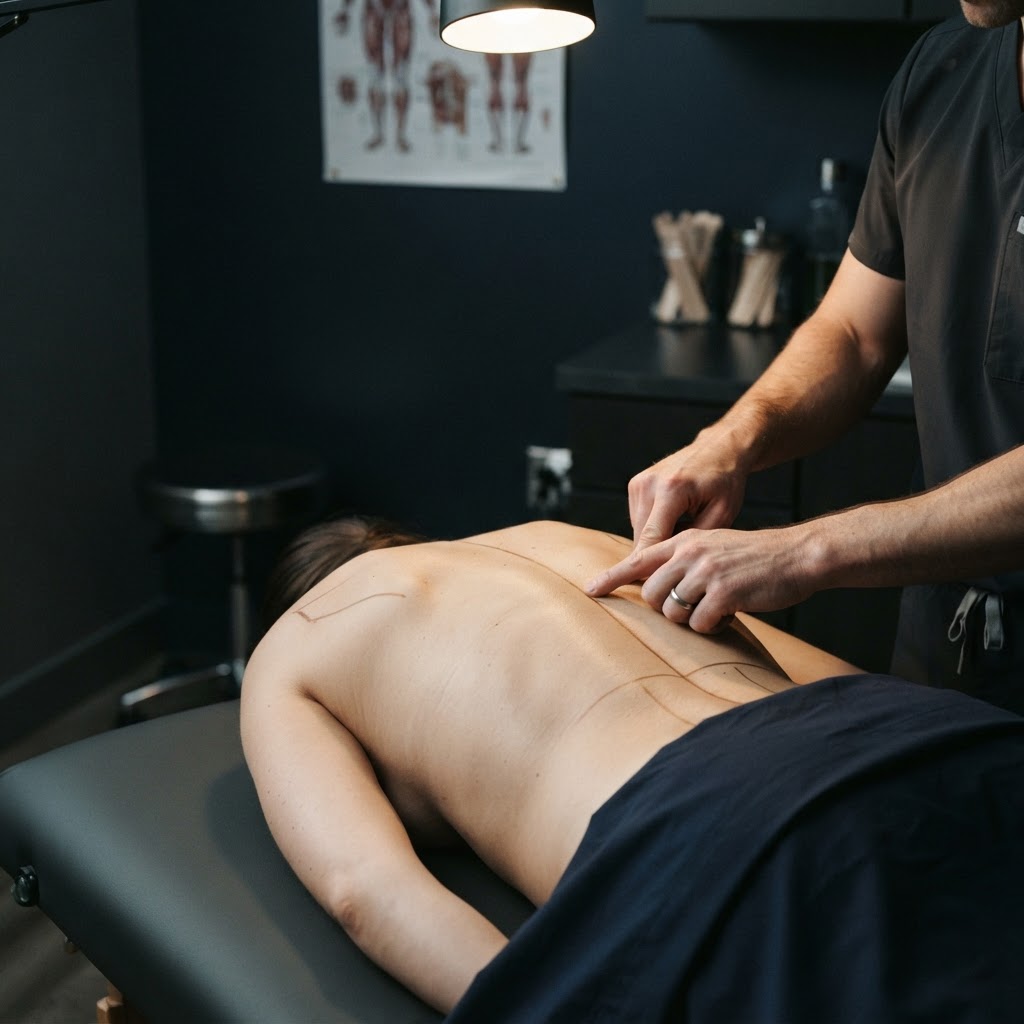
Professional Pathway
Clinical integration
- A working vocabulary for fascia, restriction, and compensation.
- Sequenced contact and pressure principles applied in practice.
- A clear progression through Levels 0–3 with written approval.
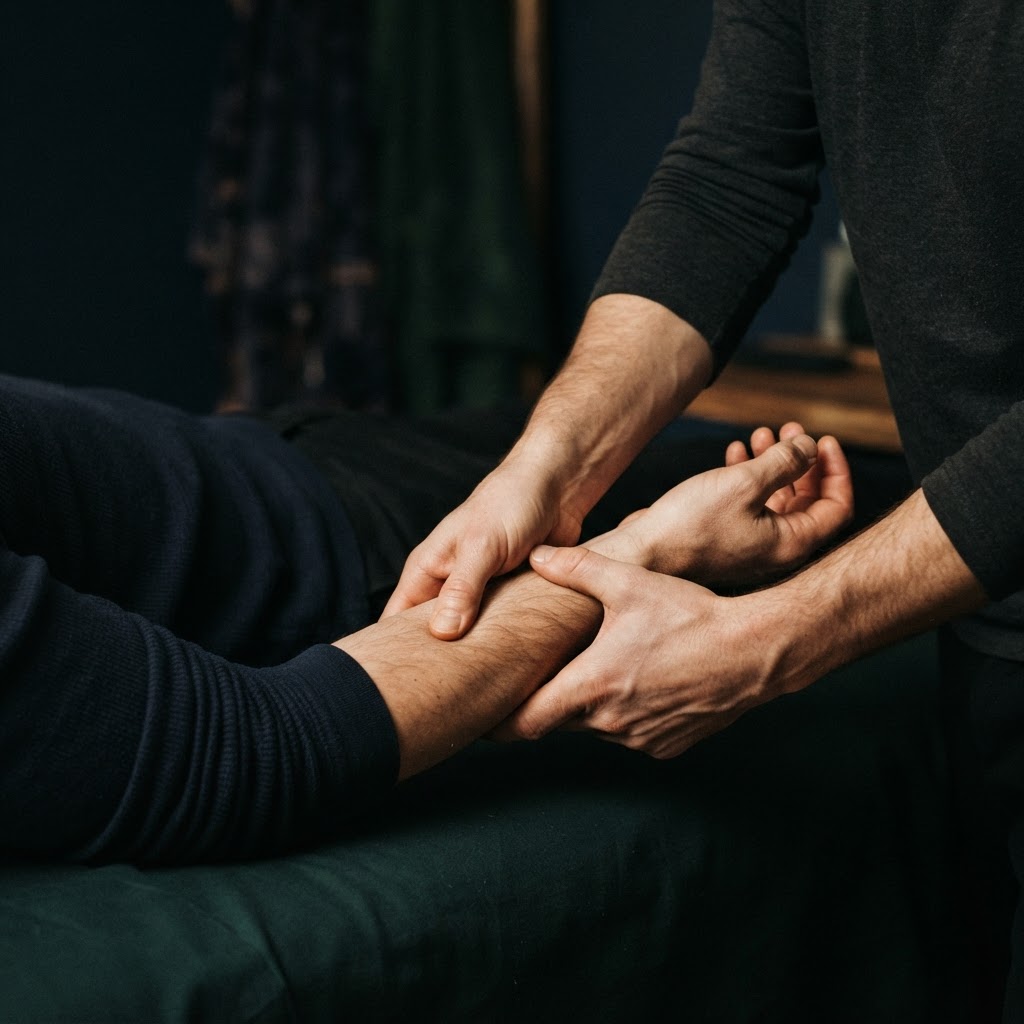
Couples Pathway
Practical partner work
- Structured three-day format grounded in contact and breath.
- Shared language for restriction, adaptation, and response.
- Skills you can use together outside of a clinical setting.

Individual Pathway
Embodied literacy
- Body-reading and self-assessment for daily practice.
- Understanding of how the body adapts, protects, and communicates.
- Deeper self-care without professional certification.
Content Library
Videos & Documents
Begin with free theory, introductory videos, selected book chapters, and promotional material. Course-specific bodywork videos, detailed demonstrations, and advanced materials require login access.
Philosophy
Information is not the same as embodiment.
The online library introduces the language, theory, and structure of the work. The in-person course is where application meets correction, contact, sequencing, responsibility, and wisdom creation. FIT is learned through the body, not simply watched on a screen.
Request Course Information
